


Windows, Siding & Roofing: The Energy Efficiency Trio
Replacement windows, insulated siding, and a properly ventilated roofing system are the three most impactful energy efficient home improvements a North Alabama homeowner can make. Each upgrade reduces heat transfer and air leakage on its own, but when all three work together as a sealed building envelope, the combined energy savings and comfort gains are significantly greater than any single upgrade alone.
Your HVAC system is running harder than it should. You feel drafts near the windows in winter. Your utility bills spike every July, no matter how low you set the thermostat. These are symptoms of a home that's losing the energy battle through its own exterior, through old windows, uninsulated siding, and a poorly ventilated attic pushing heat straight into your living space.
Most homeowners treat these problems one at a time. Replace the windows this year, maybe address the siding in a few years, never quite get around to the roof system. It's an understandable approach, but it leaves real money on the table. The reason comes down to how a home actually manages heat, and why three systems working together produce results that one system working alone never will.
This guide breaks down exactly how replacement windows, insulated siding, and roofing ventilation each contribute to a more energy-efficient home, and why the whole is worth more than the sum of its parts, especially in North Alabama's demanding climate, where summer heat, humidity, and severe storms put every component of your home's exterior to the test.
How Does Heat Move Through a Home's Exterior?
Before looking at solutions, it helps to understand the problem. Heat moves through a building envelope in three ways: conduction, convection, and radiation.
- Conduction is the direct transfer of heat through a solid material. An old single-pane window conducts heat from the hot glass directly into your home.
- Convection is heat movement through air. Gaps around windows, siding seams, and poorly sealed roof penetrations allow hot outside air to infiltrate your living space while conditioned air escapes.
- Radiation is heat energy transmitted through electromagnetic waves. This is why an attic bakes at 150°F on a hot Alabama summer day, as the sun's radiant energy transfers through the roof deck and into the space above your ceiling.
Every energy efficient home improvement targets one or more of these transfer mechanisms. The most effective upgrades address all three simultaneously, which is exactly what a combined window, siding, and roofing approach accomplishes.
How Do High-Performance Replacement Windows Reduce Energy Loss?
Old windows are one of the most significant sources of energy loss in a home. Single-pane aluminum-framed windows conduct heat freely, allow cold air to seep in around deteriorated seals, and offer almost no resistance to radiant heat gain. Modern replacement windows address every one of these failure points.
Low-E Glass: Blocking Heat Without Blocking Light
Low-emissivity glass has a microscopic metallic coating applied to the surface that reflects infrared heat while allowing visible light to pass through. Solar heat is reflected away from your home in summer, while interior heat is reflected back in during winter. According to the U.S. Department of Energy, Low-E coatings can reduce heat transfer through glass by 30 to 50 percent compared to standard glass.
Argon and Krypton Gas Fills
Double- and triple-pane windows trap an insulating layer of gas between the panes. Argon and krypton are denser than air, which significantly slows conductive heat transfer. The result is a window that performs more like an insulated wall than a sheet of glass.
Frame Material Matters
Older aluminum frames are thermal conductors that pull heat in during summer and accelerate heat loss in winter. Vinyl and fiberglass replacement window frames break this thermal bridge. They conduct heat at a fraction of the rate aluminum does, and they maintain their seal integrity over decades of temperature cycling, which North Alabama's climate demands in abundance.
The Comfort Bonus: Reduced Condensation
When the interior surface of a window stays closer to room temperature, condensation drops dramatically. Less moisture on your windows means better indoor air quality, reduced risk of mold on window frames, and noticeably more comfortable rooms near exterior walls.
For North Alabama homeowners, high-performance replacement windows are one of the fastest-return energy efficient home improvements available, reducing window-related energy loss by up to 30 percent annually while delivering immediate comfort improvements.
What Does Insulated Siding Actually Do for Energy Efficiency?
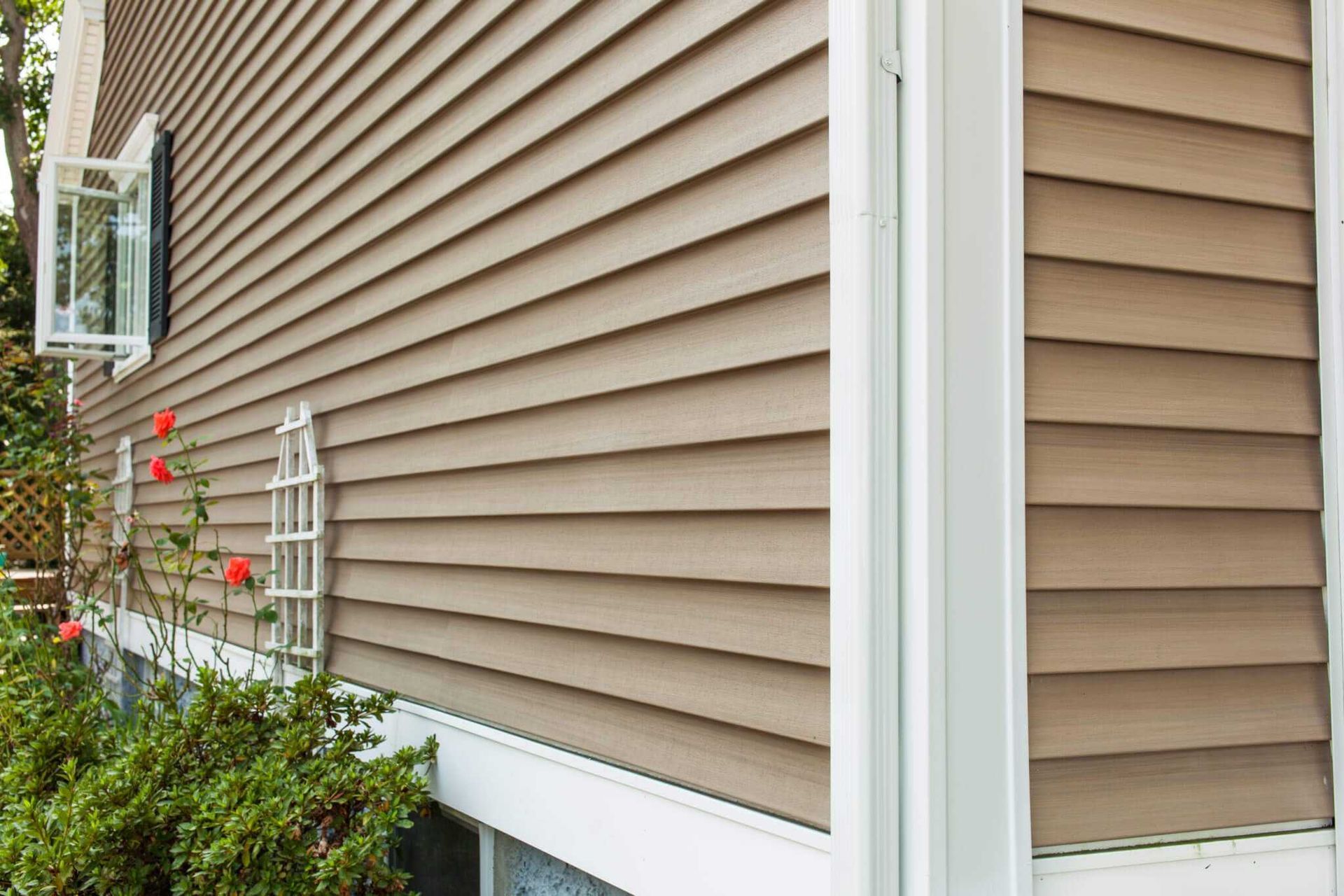
Standard vinyl siding acts as a weather barrier, but it does relatively little to slow heat transfer through your exterior walls. Even when fiberglass insulation fills the wall cavity, thermal bridging through the wood studs creates pathways for heat to bypass the insulation almost entirely. The studs themselves can account for up to 25 percent of a wall's surface area, and they conduct heat far more readily than insulation does. Insulated siding solves this problem by adding a continuous layer of rigid foam insulation across the entire exterior surface, studs included.
The Continuous Insulation Advantage
Rigid foam insulation attached directly to the back of insulated siding panels covers the thermal bridge created by wall framing. This continuous coverage means there are no gaps in the insulating layer. The added R-value, typically between R-2 and R-5 depending on the product, may not sound dramatic, but when applied across every square foot of exterior wall, the aggregate impact on heating and cooling loads is meaningful.
Reducing Air Infiltration
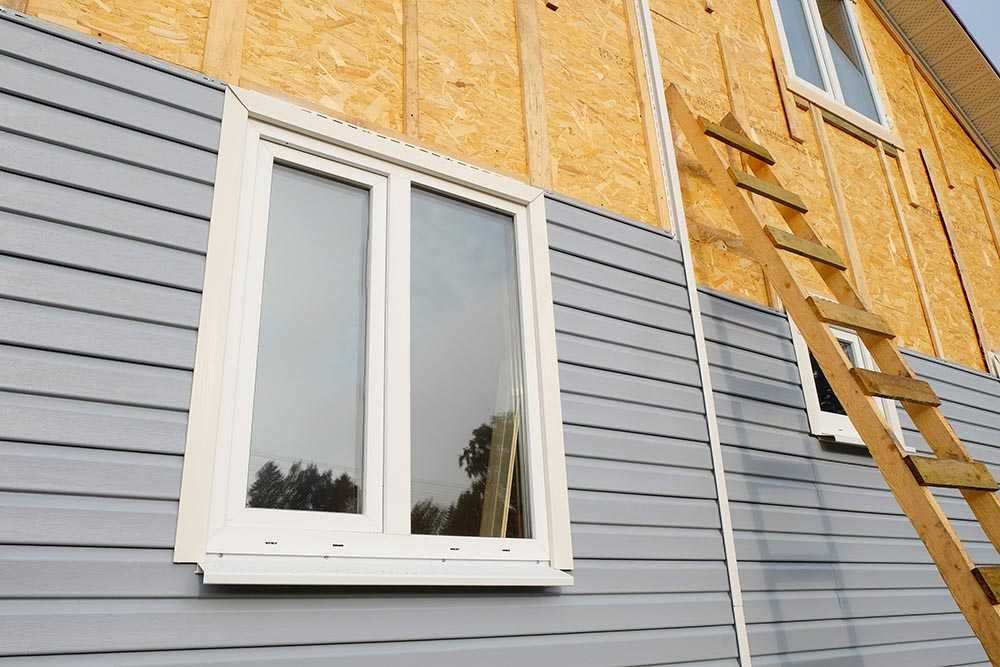
Insulated siding installations also tighten the exterior shell of a home. Properly installed panels with quality house wrap underneath reduce the air leakage pathways that allow conditioned air to escape and unconditioned air to infiltrate. In climates with high humidity like North Alabama's, this also reduces the amount of moisture-laden air that enters the wall assembly, protecting both insulation performance and long-term structural integrity.
The Connection to Replacement Windows
Insulated siding and replacement windows reinforce each other directly. A high-performance window installed in an otherwise leaky wall envelope loses some of its benefit to the air and heat escaping around it. When new siding seals the wall properly and adds continuous insulation, the window's performance is fully realized. The two upgrades create a combined thermal barrier far more effective than either provides independently.
Beyond energy performance, insulated siding offers durability against moisture, impact, and UV degradation, and it significantly improves curb appeal, which matters for homeowners looking to protect long-term home value. Pairing new siding with professional Exterior Painting can further protect trim, soffits, and fascia while keeping the whole exterior looking cohesive.
How Does Roofing Ventilation Affect Your Energy Bills?
The roof system is where many homeowners lose the most energy, and where a poorly understood problem causes the most long-term damage. On a hot Alabama summer day, an unventilated attic can reach temperatures between 130°F and 160°F. That heat radiates downward through the ceiling insulation into your living space, forcing your HVAC system to compensate continuously. Proper roofing ventilation, combined with adequate attic insulation, is one of the highest-impact energy efficient home improvements available to North Alabama homeowners.
How Soffit and Ridge Vents Create Continuous Airflow
An effective roofing ventilation system works on a simple principle: cool air enters through soffit vents at the eaves, travels upward along the underside of the roof deck, and exits through ridge vents at the peak. This continuous airflow removes accumulated heat in summer and prevents moisture buildup in winter. Without this airflow, attic heat has nowhere to go. It saturates the insulation, reduces its effectiveness, and creates the radiant heat problem described above. With proper ventilation, attic temperatures drop significantly, reducing the thermal load on your ceiling and giving your air conditioning system measurable relief.
Reflective Shingles and Cool Roof Technology
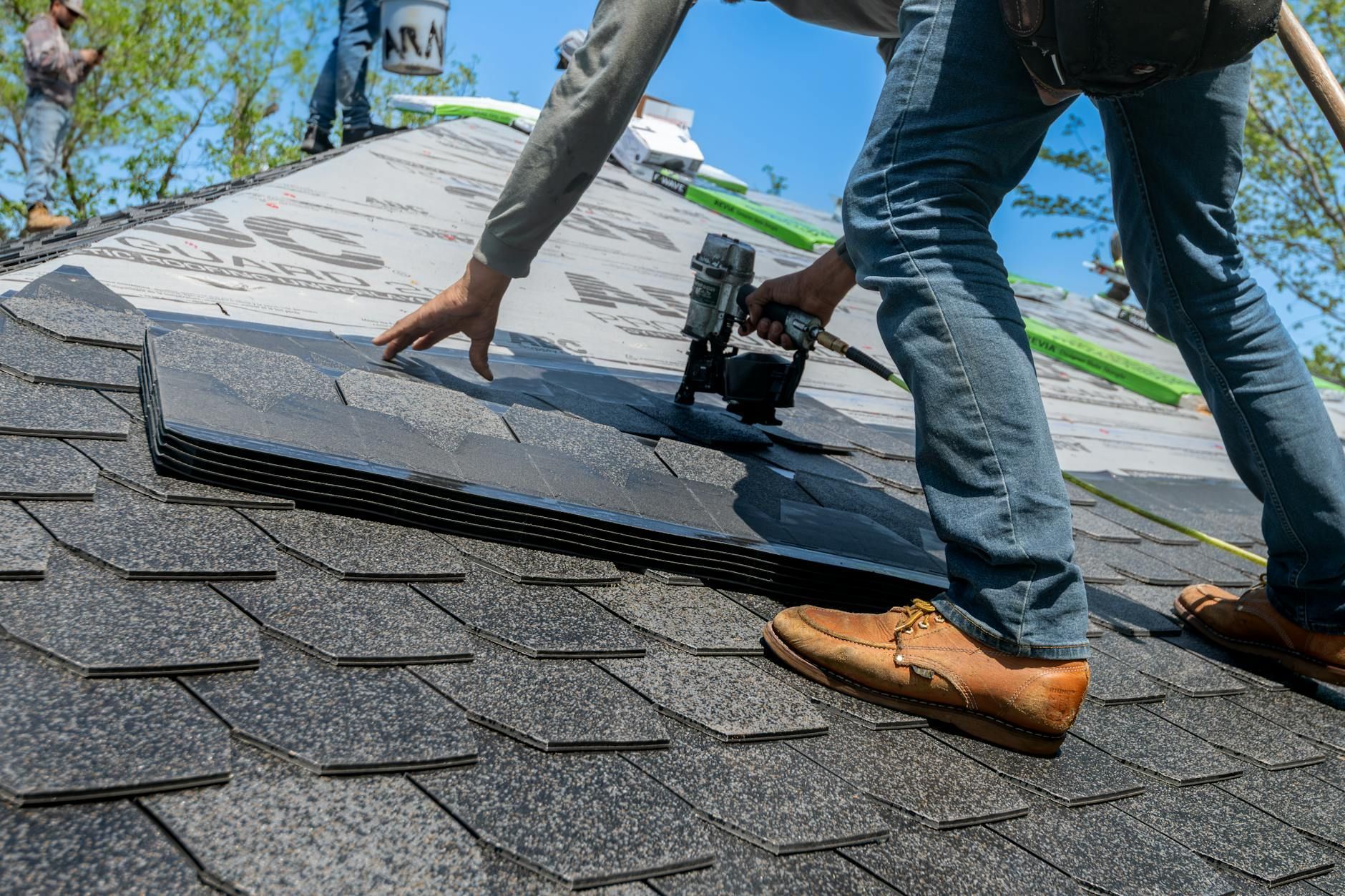
Modern roofing shingles go beyond basic protection. Products with cool roof technology, including reflective granules that meet ENERGY STAR standards, reflect a larger portion of solar radiation rather than absorbing it. This surface-level defense, combined with proper ventilation beneath the deck, creates a two-stage system that dramatically reduces heat gain through the roof.
Roof Deck Protection and Underlayment
Quality underlayment installed beneath the shingles serves as the last line of defense against moisture intrusion. When water infiltrates past damaged shingles, proper underlayment prevents it from reaching the decking and insulation below. This moisture control also protects the attic's thermal performance over time, since wet insulation loses R-value rapidly.
Connecting the Roof System to the Building Envelope
A properly ventilated and insulated roof system connects directly to the performance of the exterior walls below it. When attic heat is managed effectively, the ceiling and upper walls remain cooler. When insulated siding manages heat transfer through the walls, the attic ventilation system doesn't have to work against heat radiating inward from the walls. The two systems stabilize each other.
Why Do Windows, Siding, and Roofing Work Better Together Than Separately?
Each of the upgrades described above delivers measurable results as a standalone project. But the combined approach, replacing windows, installing insulated siding, and addressing roofing ventilation simultaneously or in close sequence, creates what building scientists call a complete building envelope.
The building envelope is the total barrier between conditioned interior space and the outside environment. Every gap, every thermal bridge, every poorly insulated surface is a point where energy escapes and comfort is compromised. When windows perform at a high level but walls are poorly insulated, the walls undermine the window improvement. When siding is tight but the attic is running at 150°F, the ceiling becomes the weakest link.
Addressing all three systems closes every major pathway for heat transfer. The HVAC system runs fewer cycles. Indoor temperatures stabilize. Humidity is easier to control. And the long-term wear on mechanical systems decreases because they're no longer working against a poorly performing shell.
For North Alabama homeowners, this integrated approach is particularly relevant. The Tennessee Valley's climate creates heat gain pressure from multiple directions simultaneously: solar radiation through the roof, conducted heat through aging walls, and radiant and convective loss through old windows. Addressing only one of these pathways leaves the other two working against every dollar invested.
Start With a Professional Exterior Evaluation
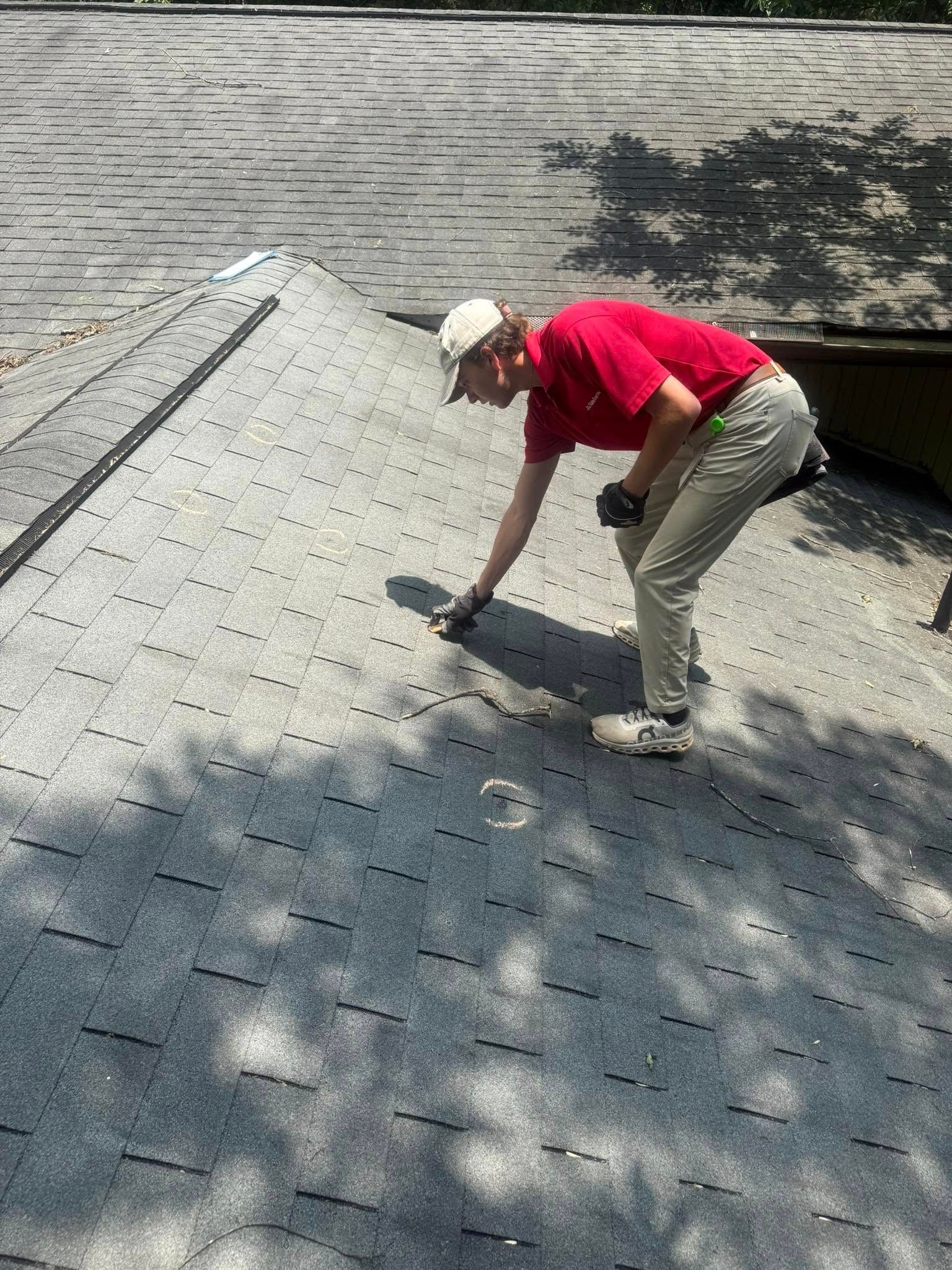
The most effective sequence of energy efficient home improvements starts with an honest assessment of where your home is currently losing the most energy. Some homes have adequate wall insulation but catastrophically poor attic ventilation. Others have newer roofs but original 1990s windows that have lost their seal. The right starting point depends on the specific performance gaps in your home's exterior.
LJ Roofing & Exteriors serves homeowners throughout Huntsville, Madison, Athens, Decatur, and the surrounding North Alabama communities. The team evaluates roofing systems, siding, and exterior components as an integrated system, not as isolated parts, and provides honest, straightforward recommendations based on what your home actually needs.
Schedule a free exterior inspection with LJ Roofing & Exteriors at (256) 715-5611. You'll get a clear picture of where your home is losing energy and what improvements will deliver the most meaningful return.
Frequently Asked Questions About Energy Efficient Home Improvements
What are the most impactful energy efficient home improvements a homeowner can make?
Replacement windows, insulated siding, and improved roofing ventilation with adequate attic insulation consistently rank among the highest-impact energy efficient home improvements. Each reduces heat transfer through a major component of the building envelope. When all three are addressed together, they create a comprehensive thermal barrier that significantly reduces heating and cooling loads and improves year-round comfort.
How much energy can replacement windows save in a hot climate like Alabama?
According to the U.S. Department of Energy, replacing single-pane windows with ENERGY STAR-qualified products can reduce window-related energy loss by up to 30 percent annually. In North Alabama's climate, where air conditioning runs heavily for six or more months of the year, this reduction translates directly to lower utility bills and reduced HVAC wear.
Does insulated siding actually improve energy efficiency, or is it primarily aesthetic?
Insulated siding delivers measurable energy efficiency gains beyond aesthetics. The continuous rigid foam layer eliminates thermal bridging through wall studs, which can represent up to 25 percent of a wall's total surface area. Combined with improved air sealing at the exterior, insulated siding reduces both conductive and convective heat transfer through exterior walls.
What is roofing ventilation and why does it matter for energy bills?
Roofing ventilation is the system of intake vents, typically at the soffits, and exhaust vents, typically at the ridge, that allows continuous airflow through the attic. Without proper ventilation, attic temperatures can exceed 150°F in summer, radiating heat downward into the living space and forcing air conditioning systems to work significantly harder. Proper ventilation, combined with reflective shingles and adequate attic insulation, directly reduces this thermal load.
Should I upgrade windows, siding, and roofing at the same time, or prioritize one?
The best starting point depends on where your home is currently losing the most energy. A professional exterior inspection can identify which component is underperforming most severely. That said, combining upgrades, particularly replacement windows with insulated siding, tends to amplify the benefit of each, since both address the wall and window assembly as an integrated system. Completing all three creates the most complete thermal envelope.
How do I know if my home's roofing ventilation is inadequate?
Common signs of poor attic ventilation include unusually high cooling bills in summer, uneven temperatures between floors, ice dams in winter, less common in North Alabama but possible, and shortened roof lifespan due to excessive heat cycling. A professional roof inspection can assess airflow through your attic and identify whether current ventilation meets recommended standards for your home's size and roof design.
News